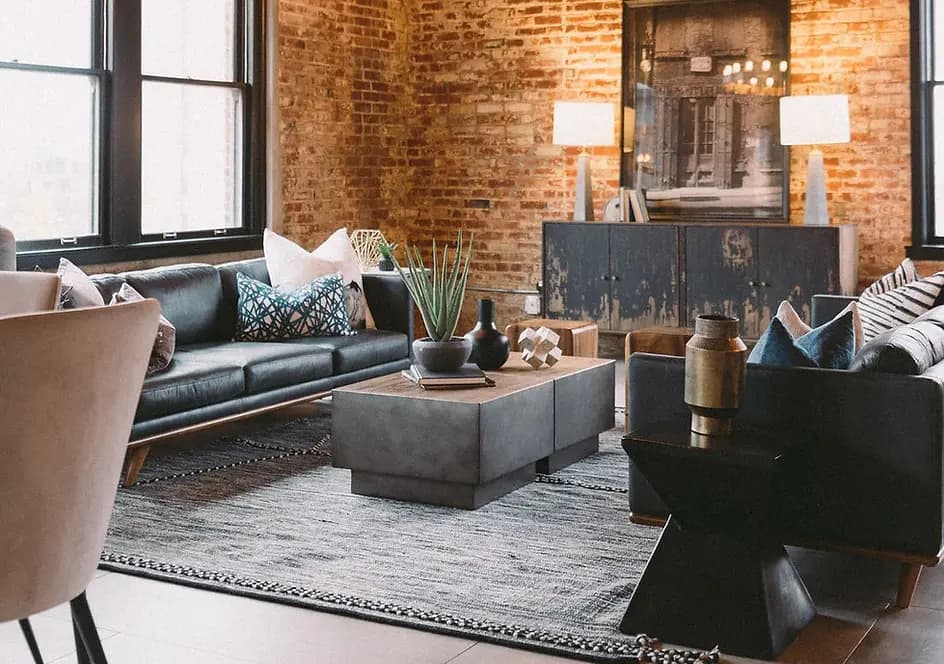
Home Staging
The Complete Home Staging Checklist (Room by Room)
By Greylyn Wayne · May 12, 2026 · 8 min read
A practical, room-by-room home staging checklist you can actually work through before your listing photos — from curb appeal to the final walk-through.
A great home staging checklist does one thing: it turns a vague, overwhelming "get the house ready" into a sequence of small, finishable tasks. Work through this room-by-room guide and your home will photograph beautifully, feel larger and brighter to buyers, and read as move-in ready — the three things that consistently set a listing apart in the Portland market. Print it, check the boxes, and don't skip the whole-house first pass; it's the step that makes every room after it easier.
We've built this from staging more than 2,500 Portland-area homes since 2015. It works whether you're staging vacant, working with the furniture you already own, or bringing in professional home staging for a vacant or luxury listing. Start at the top and go in order — each phase sets up the next.
Whole-House First Pass
Before you touch a single room, do these house-wide tasks. They're the foundation, and they make every room you stage afterward look more finished with less effort.
- Declutter and pre-pack 30–50% of your belongings — countertops, shelves, closets, and surfaces. Empty space reads as larger space.
- Deep clean top to bottom: windows inside and out, baseboards, grout, light fixtures, vents, and ceiling fans.
- Depersonalize — pack away family photos, religious items, kids' artwork, and anything a buyer might "read" instead of picturing themselves there.
- Neutralize bold paint. A fresh coat of warm white or soft greige on loud accent walls is the single highest-impact upgrade.
- Replace dead bulbs and standardize bulb color (warm white, ~2700–3000K) so no room glows blue or yellow on camera.
- Eliminate odors at the source — pets, smoke, last night's cooking. Air the house out; avoid masking with strong plug-ins or candles.
- Fix the small broken things: sticky doors, loose handles, running toilets, cracked switch plates, scuffed walls.
- Define a purpose for every room. A 'flex' or junk room confuses buyers; stage it clearly as an office, guest room, or reading nook.
Curb Appeal & Entry
The first photo in the listing and the first thing buyers see in person is the outside. In Portland, a tidy, green, welcoming exterior also signals that the home has been cared for through our wet winters.
- Mow, edge, weed, and add fresh bark dust or mulch to beds.
- Pressure-wash the walkway, porch, and siding where moss and grime collect.
- Paint or clean the front door; polish the hardware and add a clean, simple doormat.
- Add a pair of healthy potted plants or seasonal greenery by the entry.
- Clear the porch of shoes, hoses, trash bins, and clutter.
- Make sure the house number is visible and the porch light works and is on for evening showings.
- Inside the entry: clear the coat hooks and shoe pile, hang a mirror or simple art, and keep the floor totally open.
Living & Dining Rooms
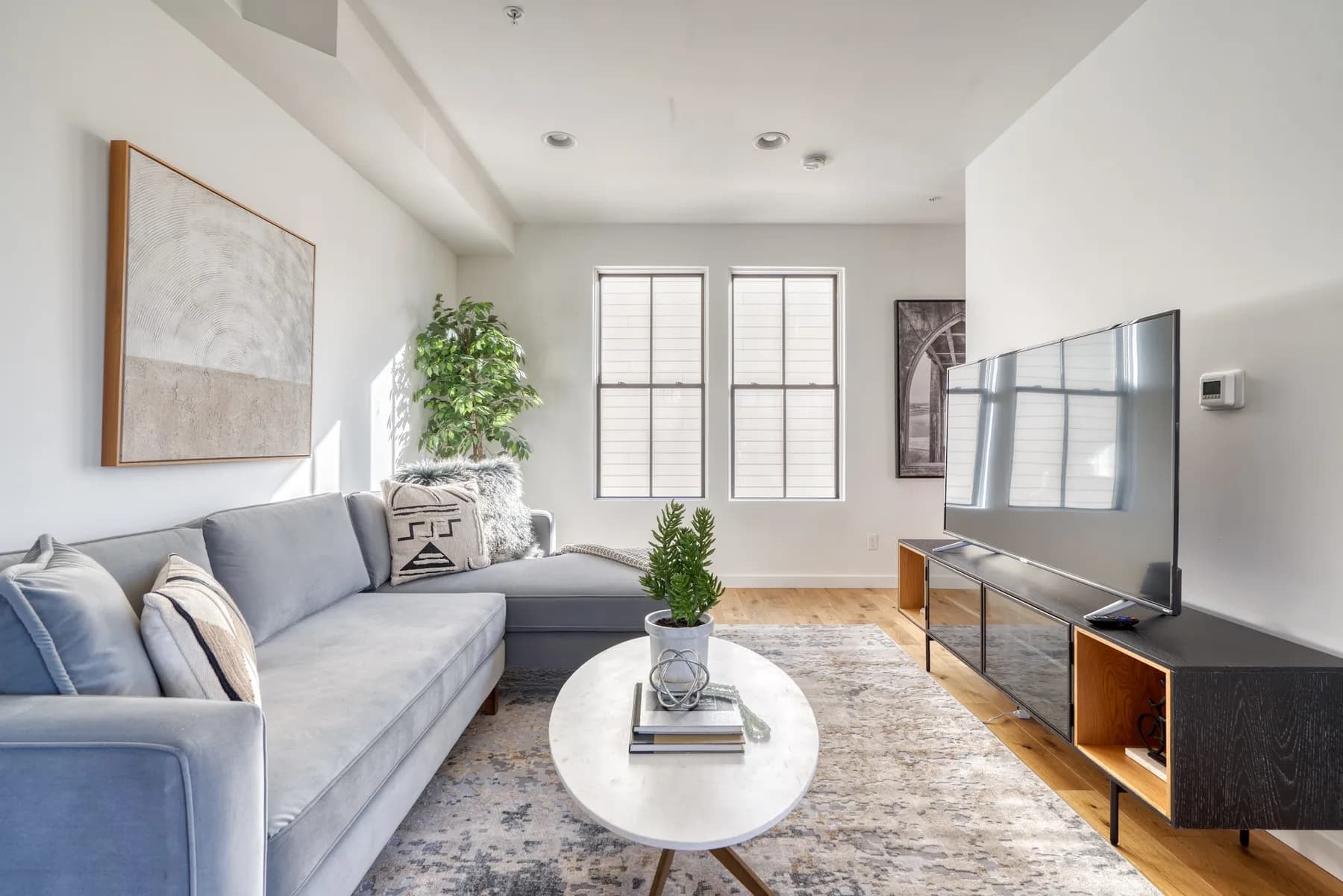
These are your hero rooms — usually the first interior shots and the spaces buyers imagine living in. The goal is flow, light, and a clear sense of scale.
- Float the sofa and chairs into a conversational grouping; pull furniture a few inches off the walls so the room breathes.
- Remove oversized or extra pieces — one well-placed chair beats two that crowd the path.
- Anchor the seating with an appropriately sized rug; furniture front legs should sit on it.
- Layer soft textures: a throw, two or three pillows per sofa (not a wall of them), and simple drapery hung high and wide.
- Style the coffee table lightly: a stack of books, a tray, one organic object. Leave breathing room.
- In the dining room, set the table simply (placemats, neutral plates, a low centerpiece) so buyers picture gatherings.
- Make sure walking paths are clear and you can photograph the room from the doorway without an obstruction in the foreground.
Kitchen
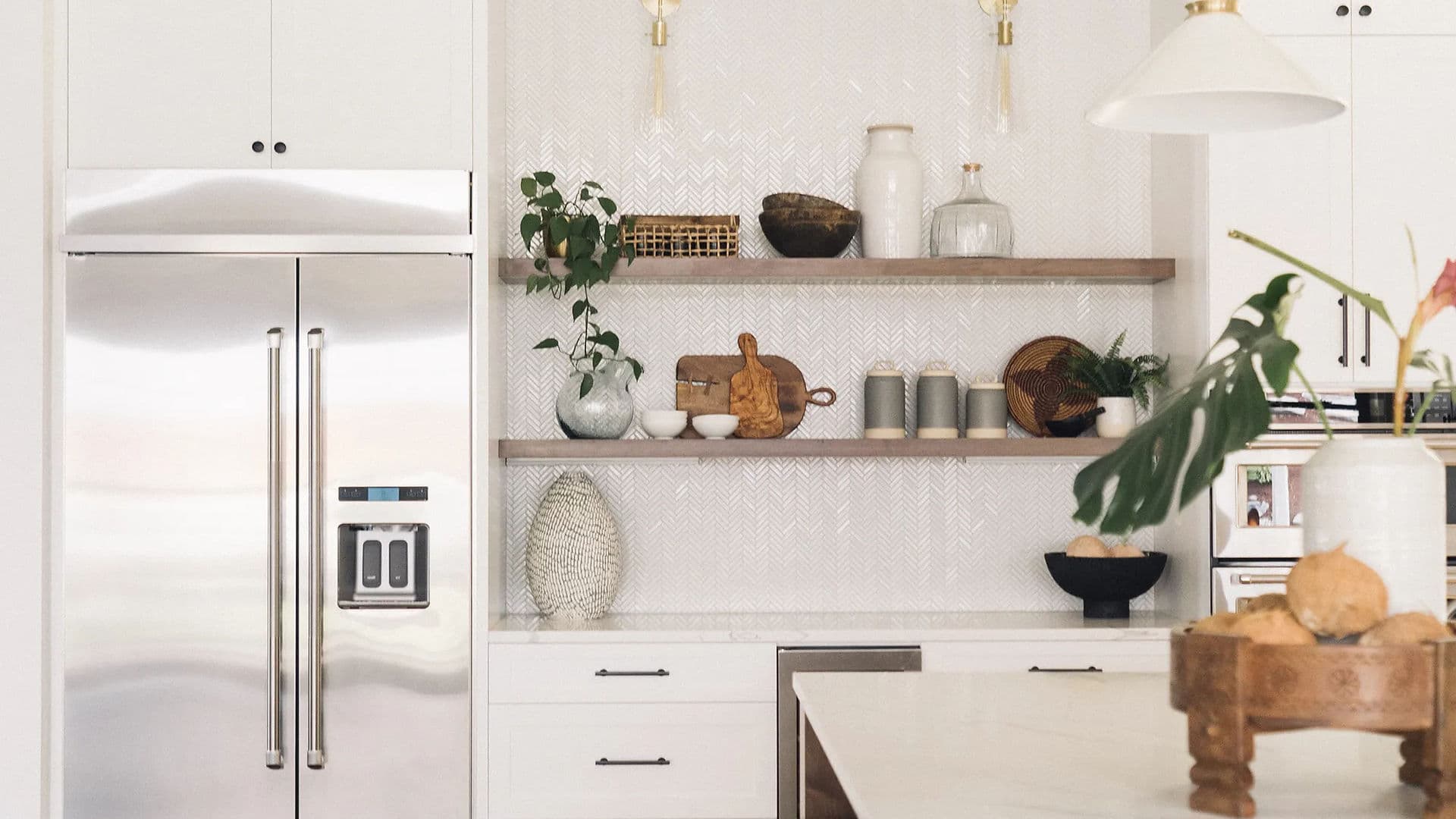
Kitchens sell homes, and clear counters sell kitchens. The single best thing you can do here is create the impression of generous, uncluttered workspace.
- Clear the counters down to one or two intentional items — a bowl of fresh fruit, a cutting board, a small plant.
- Pack away the toaster, blender, knife block, mail pile, and magnets and notes from the fridge.
- Deep clean the sink, faucet, backsplash, and inside the microwave; degrease the range and hood.
- Wipe down cabinet fronts; consider new hardware if the existing pulls are dated or mismatched.
- Organize the pantry and a couple of cabinets — buyers open them, and order signals 'enough storage.'
- Add one fresh, low-effort accent: a folded tea towel, a small herb plant, or a simple vase of greenery.
Bathrooms
Buyers want bathrooms to feel clean, bright, and spa-like. This is mostly about removing the evidence of daily life and adding a few crisp, hotel-style touches.
- Clear all personal items off the counter — toothbrushes, razors, makeup, medications.
- Hang fresh, fluffy white towels and keep them just for showings (use older ones day to day).
- Re-caulk and re-grout where it's stained or moldy; this reads as 'well maintained' more than almost anything else.
- Clean glass, mirrors, and chrome until they shine; replace a stained or curling shower curtain liner.
- Stow the trash can, scale, plunger, and toilet brush out of frame.
- Add a small plant, a rolled towel, or simple soap dispenser for a spa-like finish.
Bedrooms
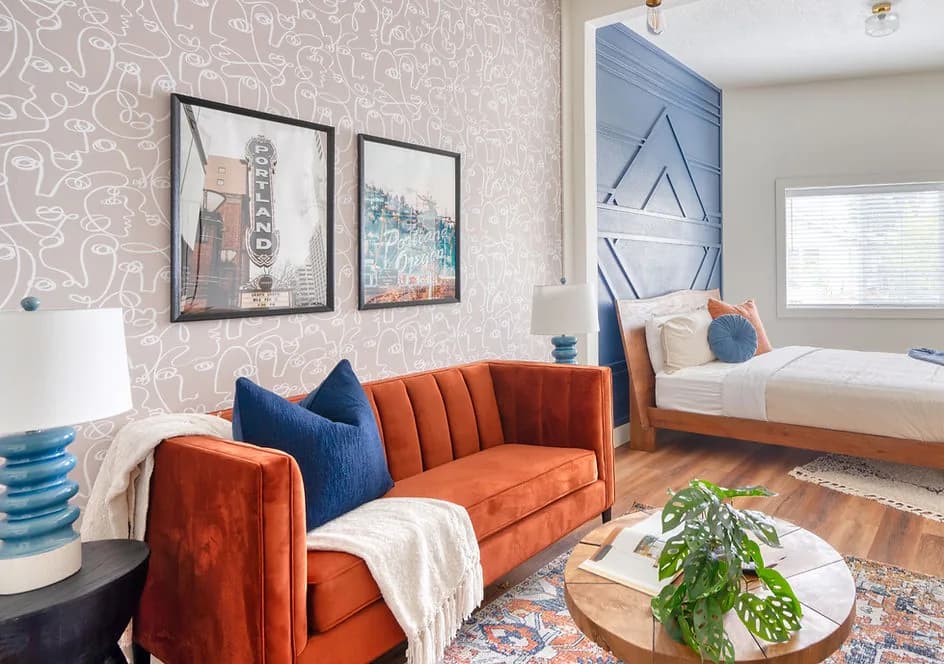
Every bedroom should read as a calm, restful retreat with an obvious purpose. The primary bedroom gets the most attention, but don't ignore the secondary rooms — staging them clearly helps buyers count the home's real bedrooms.
- Make the bed hotel-crisp with clean, neutral bedding and a few layered pillows.
- Use a matching pair of nightstands and lamps to create symmetry and a sense of intention.
- Clear the dresser and closet floor; aim to show closets no more than about two-thirds full.
- Remove exercise equipment, overflowing laundry, and anything that fights the 'restful retreat' read.
- Give every secondary room a clear job — guest room, nursery, or office — rather than leaving it as storage.
- Add soft light: bedside lamps on for showings beat a single overhead fixture.
Final Walk-Through Before Photos
Do this last pass with fresh eyes the morning of your photo shoot. It's the difference between a home that's staged and a home that photographs like it's staged.
- Open every blind and curtain and turn on every light, including lamps — bright, even light reads as warm and spacious.
- Walk the listing-photo order room by room and clear each foreground: pet bowls, trash cans, charging cords, shoes.
- Hide the visual noise — remote controls, tissue boxes, soap bottles, sponges, and floor mats.
- Stash pet beds, litter boxes, and toys; tuck cars out of the driveway for exterior shots.
- Wipe smudges off glass, stainless, and mirrors one final time.
- Set fresh flowers or simple greenery in the kitchen and dining room for life and color.
- Step back to each doorway and ask: is the path clear, is the room's purpose obvious, and is anything personal still showing?
Work this checklist in order and you'll cover the things buyers actually respond to — light, space, cleanliness, and a clear sense of how to live in each room. If you'd rather have it handled, or you're staging a vacant or luxury property where furniture and art make all the difference, we're happy to walk the house with you. Reach out for a free consultation and we'll tell you exactly where your home's biggest wins are.
Frequently Asked Questions
What's the most important step on a home staging checklist?
Decluttering and pre-packing is the foundation — empty, edited space photographs larger and lets buyers picture themselves living there. Pair it with a deep clean, neutral paint on bold walls, and good lighting, and you've covered the four things buyers respond to most. Everything else builds on those.
Do I need to stage every room in the house?
Focus first on the rooms buyers care about most — the living room, kitchen, primary bedroom, and bathrooms — but don't fully ignore secondary spaces. A clearly staged guest room or office helps buyers count and value the home's real square footage, while a junk room reads as a missing room.
How far ahead of listing photos should I stage?
Give yourself a week or two for the whole-house first pass — decluttering, cleaning, paint, and small repairs take the most time. Save the final walk-through, fresh flowers, and lighting check for the morning of the shoot so everything looks its best on camera.
Can I stage with my own furniture, or do I need to rent?
Many homes stage beautifully with what you already own once it's edited, rearranged, and styled — that's often what a staging consultation delivers. Vacant homes and luxury listings usually benefit from rented furniture and art so every room shows scale and lifestyle. A stager can tell you which path fits your home.
Thinking About Staging or a Redesign?
Greylyn Wayne has staged 2,500+ Portland-area homes and earned 4.9★ across 163 reviews. Tell us about your project — the consultation is free.