Home Staging
21 Home Staging Tips From Portland's Most-Reviewed Stagers
By Greylyn Wayne · May 19, 2026 · 8 min read
Twenty-one specific, do-it-today home staging tips from the team behind 2,500+ staged Portland homes — grouped so you can skim, prioritize, and get to work.
Great staging isn't about expensive furniture or a total reno — it's about a series of small, deliberate choices that make a home feel bigger, brighter, and ready to move into. After staging more than 2,500 Portland-area homes, we've learned which of those choices actually move buyers. These home staging tips are the ones we reach for again and again, grouped by theme so you can skim, prioritize, and start with whatever room you're standing in.
Work through them in order if you like, or jump to the section that's giving you trouble. Either way, every tip here is specific and doable this week.
First Impressions
Buyers decide how they feel about a home within seconds — often before they're through the door. These set the tone for everything that follows.
- Stage the approach, not just the interior. Power-wash the walkway, edge the beds, and add two seasonal planters at the door — a Portland must in our mossy months.
- Refresh the front door. A clean coat of paint, polished hardware, and a new doormat is the cheapest curb-appeal upgrade there is.
- Clear the entry landing zone. Get the shoe pile, mail, and coat clutter out of sight so the first thing buyers see is open, calm space.
- Use scent intentionally. Aim for clean and neutral — no strong air fresheners. A freshly cleaned home should smell like nothing at all.
Light and Space
Light and the perception of space are the two things buyers respond to most. These tips make rooms read brighter and bigger without moving a wall.
- Maximize natural light. Open every blind, pull back the drapes, and clean the windows inside and out — gray Portland days make this non-negotiable.
- Match your bulbs. Swap mismatched bulbs for a consistent, warm white throughout so no room glows a different color in photos.
- Layer your lighting. Combine overhead, table, and floor lights so every room has at least three sources — flat, single-source lighting kills warmth.
- Pull furniture off the walls. Floating seating into groupings counterintuitively makes a room feel larger and more intentional.
- Use mirrors to bounce light. A well-placed mirror across from a window doubles the daylight and opens up tight spaces.
- Right-size the furniture. Oversized pieces shrink a room; remove a chair or swap a bulky sofa to let the floor breathe.
Living Areas
The living room is where buyers linger and where listing photos work hardest. Style it to feel open, warm, and easy to imagine themselves in.
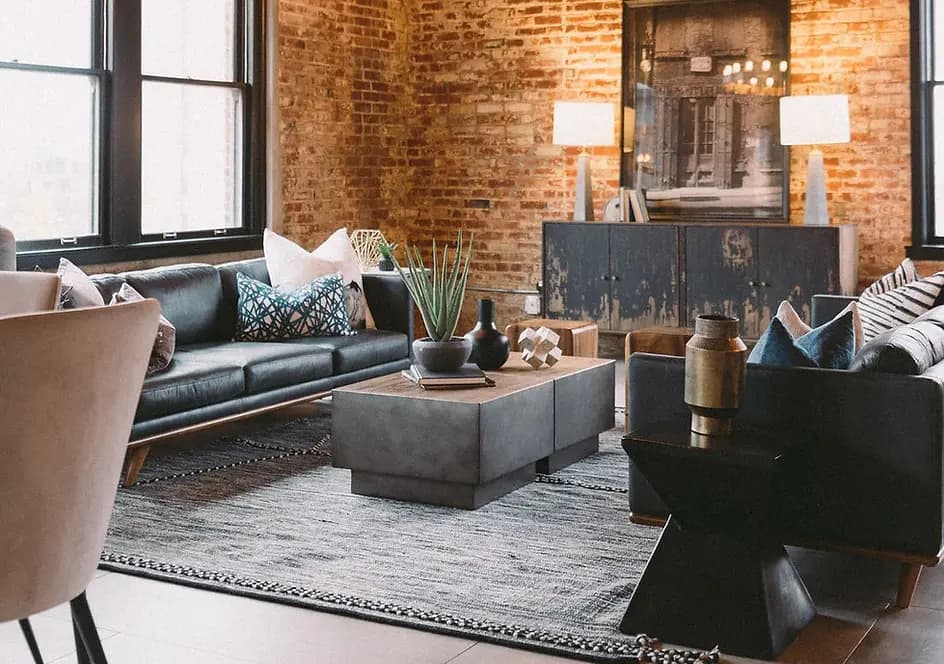
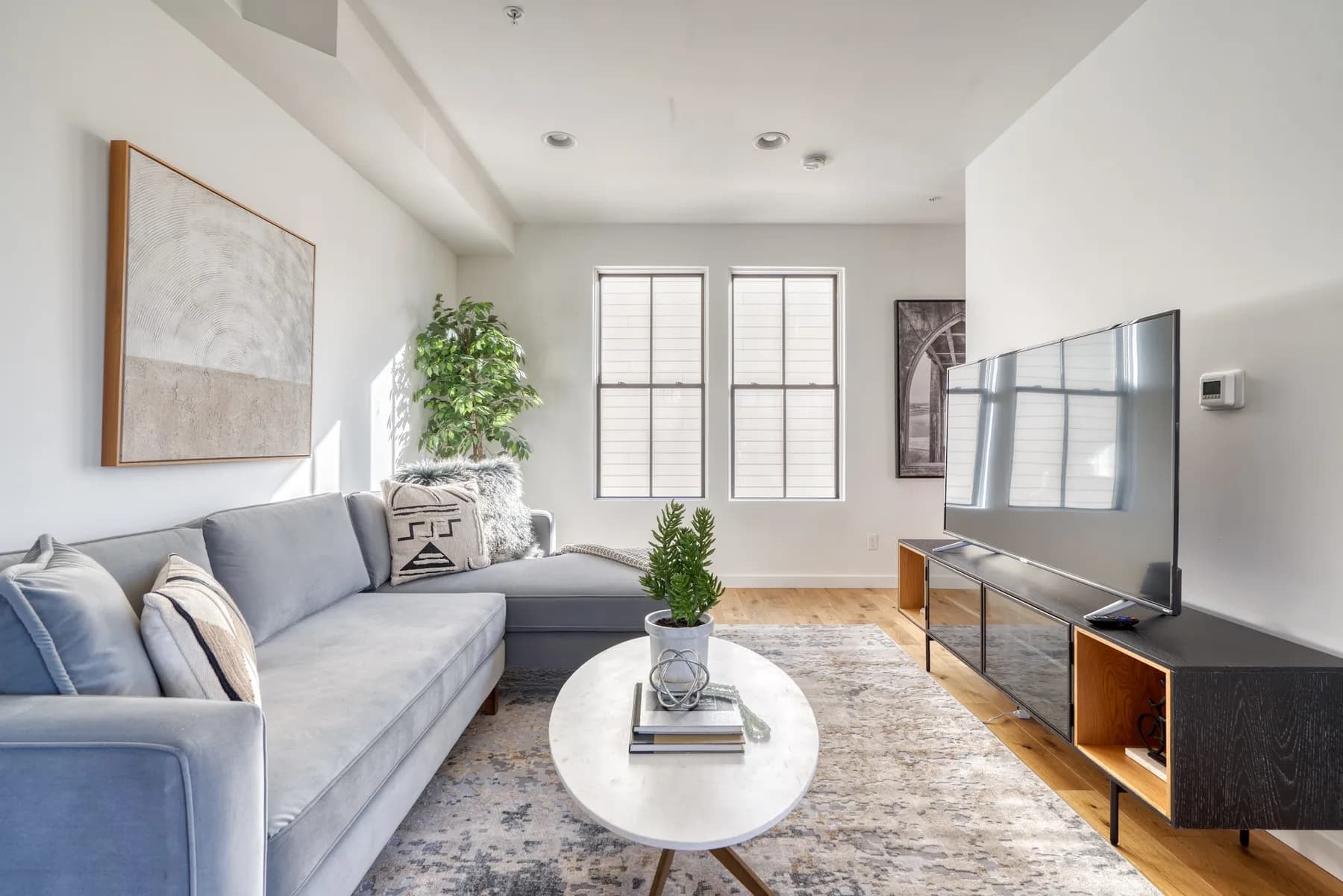
- Anchor the room to a focal point. Arrange seating around the fireplace, the view, or a styled media wall so the space has an obvious center.
- Depersonalize the shelves. Pack away family photos and bold collections; style with books, simple objects, and greenery instead.
- Edit the coffee table to one or two styled items. A tray, a stack of books, and a small plant beat a cluttered surface.
- Add warmth in threes. A throw, a couple of textured pillows, and a plant give a neutral room life without crowding it.
Kitchen and Bath
Kitchens and bathrooms close deals — and they're the easiest rooms to perfect, because the standard is simply clean and clear.
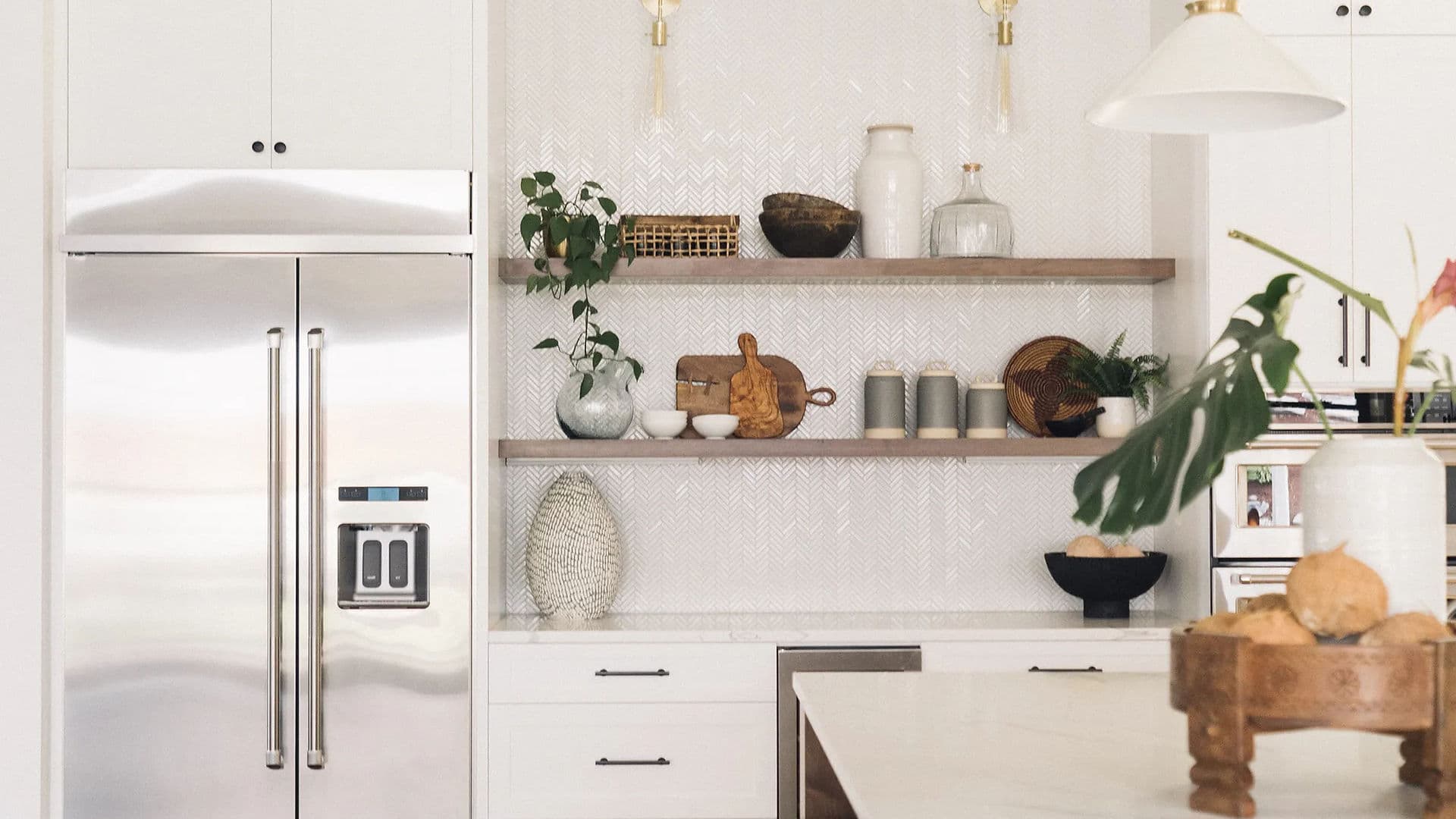
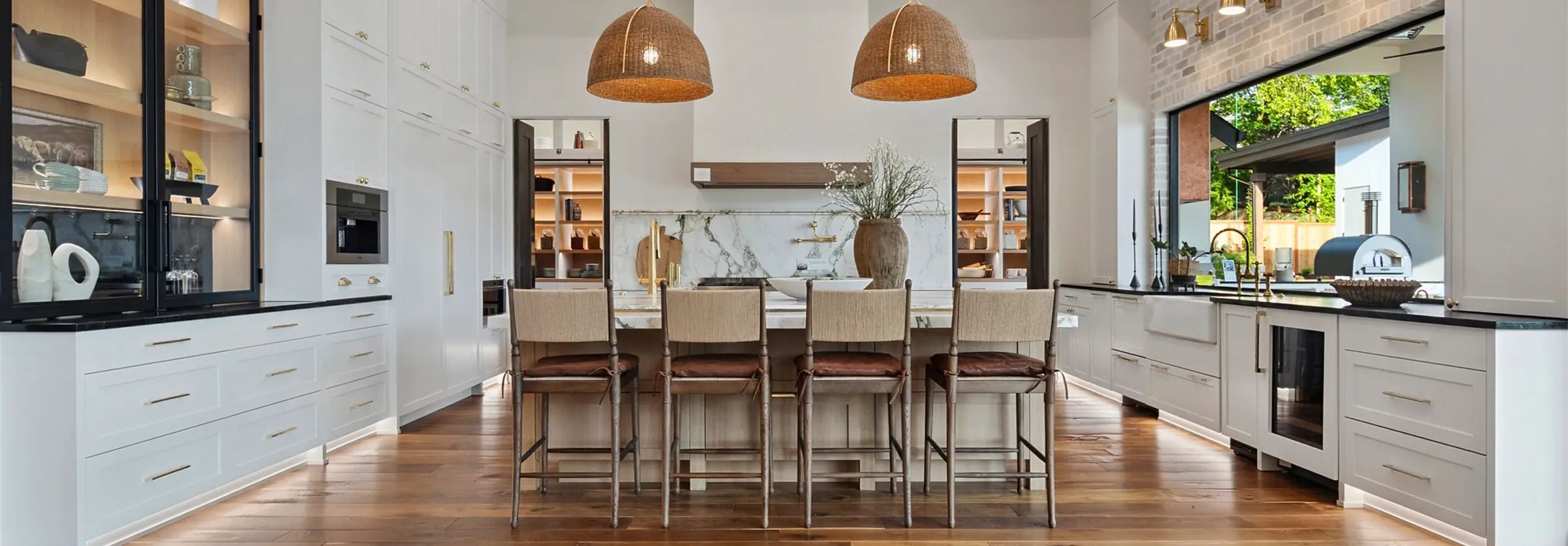
- Clear the counters. Empty surfaces are the fastest way to make a kitchen look bigger; store the small appliances and the mail pile.
- Add one warm kitchen note. A bowl of fruit, fresh herbs, or a folded tea towel is all the styling a clean kitchen needs.
- Make bathrooms spa-clean. Scrub the grout and glass, hide every toiletry, and hang fresh matching towels in white or a soft neutral.
- Fix the small stuff. Re-caulk discolored seams, replace a worn faucet, and swap dated cabinet hardware — these read as a well-maintained home.
Bedrooms
The primary bedroom should feel like an exhale. These tips give it that calm, boutique-hotel quality buyers remember.
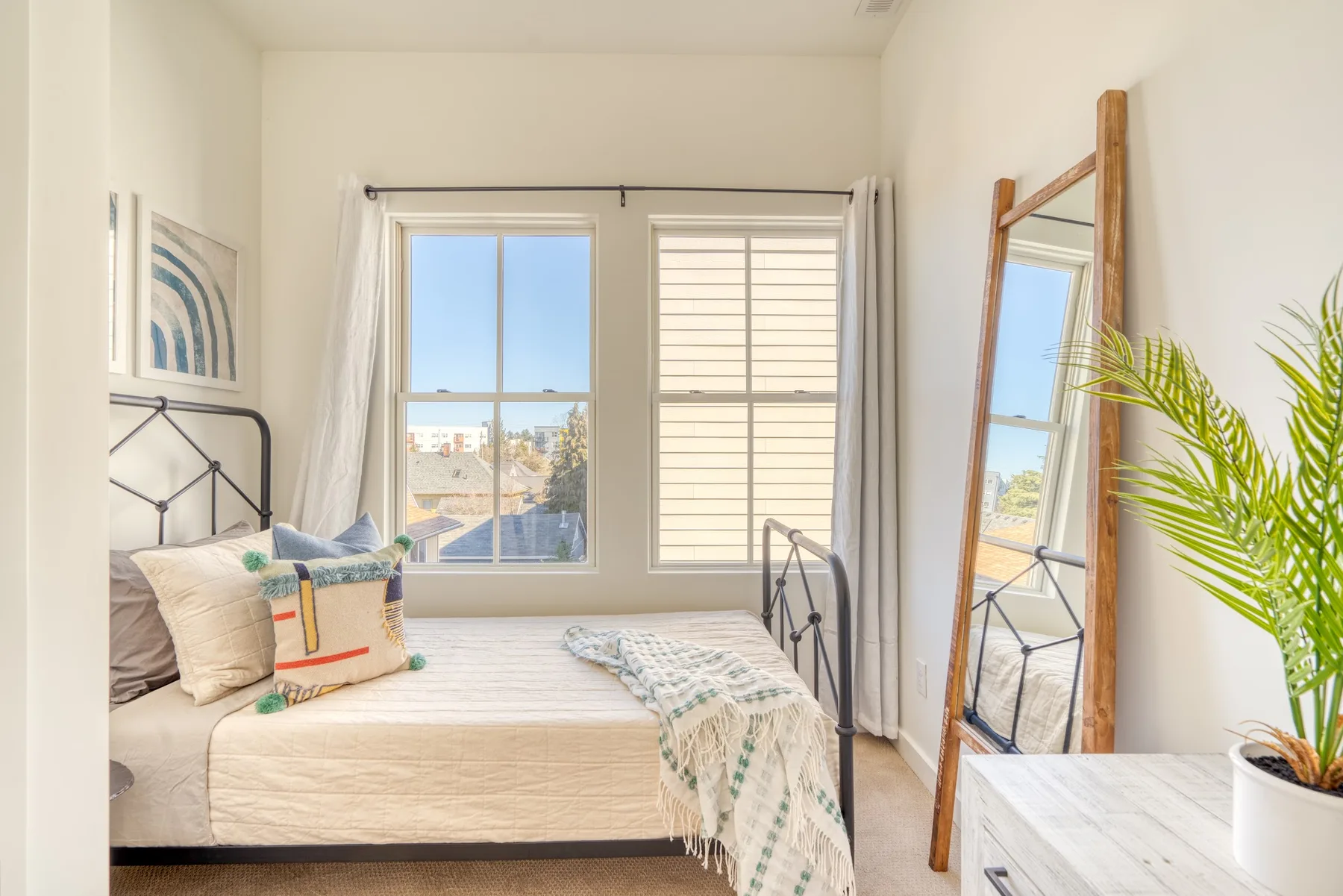
- Make the bed like a hotel. Layer fitted sheet, flat sheet, duvet, and a few well-chosen pillows in crisp white or soft neutrals.
- Keep nightstands symmetrical and nearly bare. A lamp, a book, and a small plant on each side is plenty.
- Give every room one clear job. Stage that spare room as an office, guest room, or nursery — never leave it as a vague catch-all.
- Open and edit the closets. Buyers look inside, so thin them out and organize so storage reads as generous.
The Final 1%
The difference between a home that shows fine and one that's unforgettable lives in the finishing touches — the details buyers can't name but absolutely feel.
- Deep-clean everything, then clean it again. Baseboards, grout, windows, and inside the oven and fridge — buyers open them.
- Add real plants or fresh greenery. A few live touches make a home feel cared-for and alive in photos and in person.
- Style your outdoor space. Even a small deck or patio gets a bistro set so buyers can picture morning coffee — a real selling point in Oregon.
None of these tips require a big budget — just intention and a buyer's-eye view of your own home, which is exactly the part that's hard to do for the place you live in. That's where a professional read helps most. If you're staging a vacant home, a luxury listing, or a layout that's working against you, professional home staging brings the inventory, the eye, and the process to pull it all together. For a deeper room-by-room walkthrough, see our guide on how to stage your house to sell.
Want a second opinion on which of these will move the needle most for your home? We're glad to take a look — reach out for a free consultation and we'll tell you honestly where to focus your effort.
Frequently Asked Questions
What is the most important home staging tip?
If we had to pick one: remove furniture rather than add it. Most rooms show and photograph better with roughly a third of their contents gone, because empty floor space reads as generous square footage. Pair that with maximizing natural light and clearing every counter, and you've covered the moves that matter most.
How much does it cost to stage a home with these tips?
Done yourself, most of these tips cost little more than your time, cleaning supplies, fresh towels, and a few plants. Professional staging varies widely by home size, whether it's vacant or occupied, and how many rooms you stage. Because every home is different, we give an honest, tailored quote after a free consultation rather than a one-size-fits-all price.
Do these staging tips work for occupied homes?
Yes. Decluttering, depersonalizing, deep cleaning, maximizing light, and editing furniture all apply whether you're living in the home or it's vacant. The main difference is that occupied homes lean on your existing furnishings, while vacant homes usually benefit from professional inventory to give empty rooms scale and purpose.
Should I stage every room in the house?
Prioritize the rooms that sell the home — living room, kitchen, and primary bedroom — plus curb appeal and the entry. Then make sure no room reads as a vague, wasted space; give every room one clear, desirable job. You don't need to fully furnish secondary rooms, but each should look clean, intentional, and easy for a buyer to understand.
Thinking About Staging or a Redesign?
Greylyn Wayne has staged 2,500+ Portland-area homes and earned 4.9★ across 163 reviews. Tell us about your project — the consultation is free.