Home Staging
How to Stage Your House to Sell: A Room-by-Room Guide
By Greylyn Wayne · May 28, 2026 · 8 min read
A practical, room-by-room walkthrough of how to stage a house to sell — what to do in every space, and when DIY is enough versus when a pro pays for itself.
Knowing how to stage a house to sell comes down to one idea: you're not decorating for the way you live, you're directing how a buyer feels the moment they walk in. Staging makes rooms read as bigger, brighter, and move-in ready, so buyers stop counting flaws and start picturing their own life inside your walls. The good news is that most of it follows a repeatable order. Work through your home one room at a time, in the right sequence, and you'll get the disciplined, photo-ready result that helps a Portland listing stand out.
Before you touch a single throw pillow, run every room through the same core sequence. It keeps you from styling a space that's still cluttered, or deep-cleaning around furniture you're about to move.
- Declutter — pull out everything that isn't earning its place. Aim to clear roughly a third of what's in each room.
- Depersonalize — pack away family photos, religious items, bold collections, and anything that says "this is our home," not "this could be yours."
- Deep clean — every surface, baseboard, window, and grout line. Clean reads as cared-for, and buyers equate cared-for with well-maintained.
- Define each room's purpose — give every space one obvious, desirable job so nothing reads as wasted square footage.
- Optimize light and flow — maximize natural light and create clear, walkable paths through and around furniture.
- Add finishing touches — layer in the styling details that make a space feel intentional and warm.
Curb Appeal and Entry: You Have One First Impression
Buyers form an opinion before they reach the door — often from the car. In our wetter Portland months, that means staying on top of mossy walkways, soggy leaves, and a tired front mat. You don't need a landscape overhaul; you need crisp and cared-for.
- Power-wash the walkway, porch, and siding; pull weeds and edge the beds.
- Add a couple of seasonal planters and a fresh doormat for an instant lift.
- Paint or clean the front door, polish the hardware, and replace any dead bulbs.
- Inside the entry, clear the shoe pile and coat clutter — give arrivals a clean, open landing spot.
Living Room: The Room That Sells the House
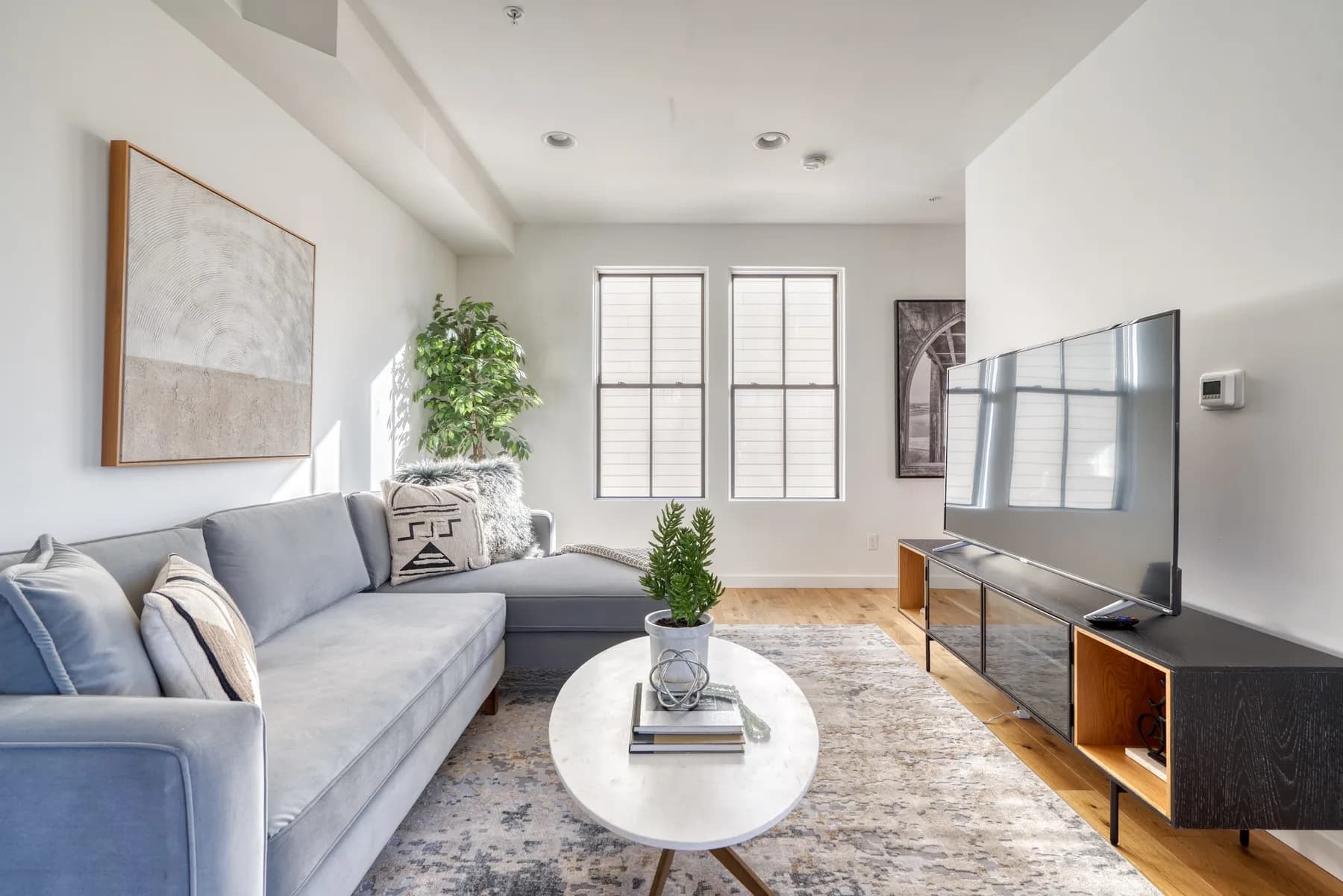
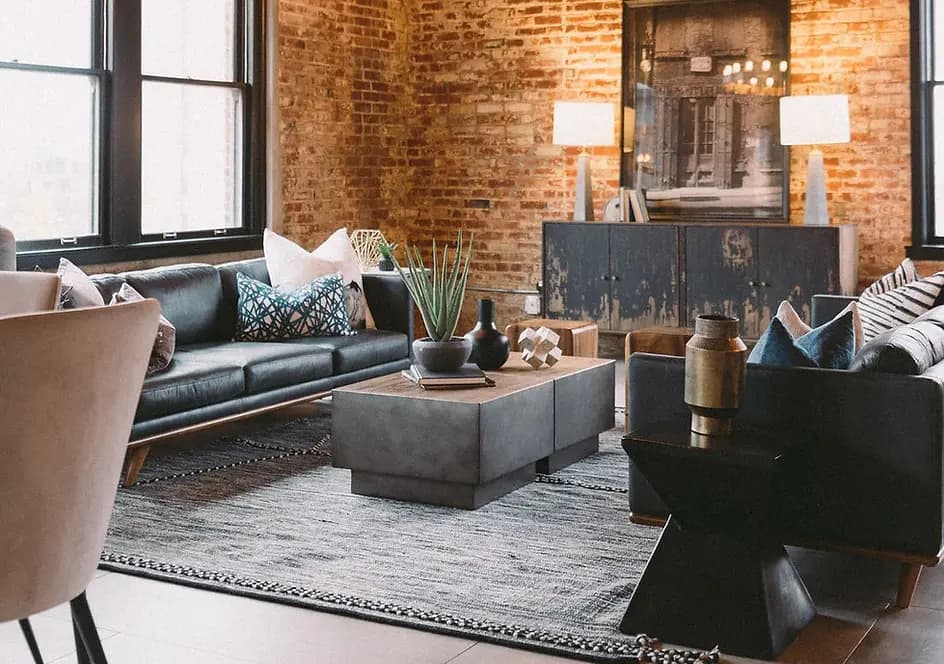
The living room is where buyers linger, and where listing photos do their heaviest lifting. The goal is a space that feels open and conversational, not crammed. Pull furniture slightly off the walls to create intimate groupings — counterintuitively, that makes a room feel larger, not smaller. Anchor the seating around a clear focal point, whether that's a fireplace, a window with a view, or a well-styled media wall.
- Edit furniture down so traffic flows and every seat has a purpose.
- Layer light: overhead, a floor or table lamp, and natural light from clean windows.
- Keep a neutral base and add warmth with a few textured pillows and a throw.
- Clear the coffee table to one or two styled objects — books, a tray, greenery.
Kitchen: Sell Clean, Bright, and Spacious
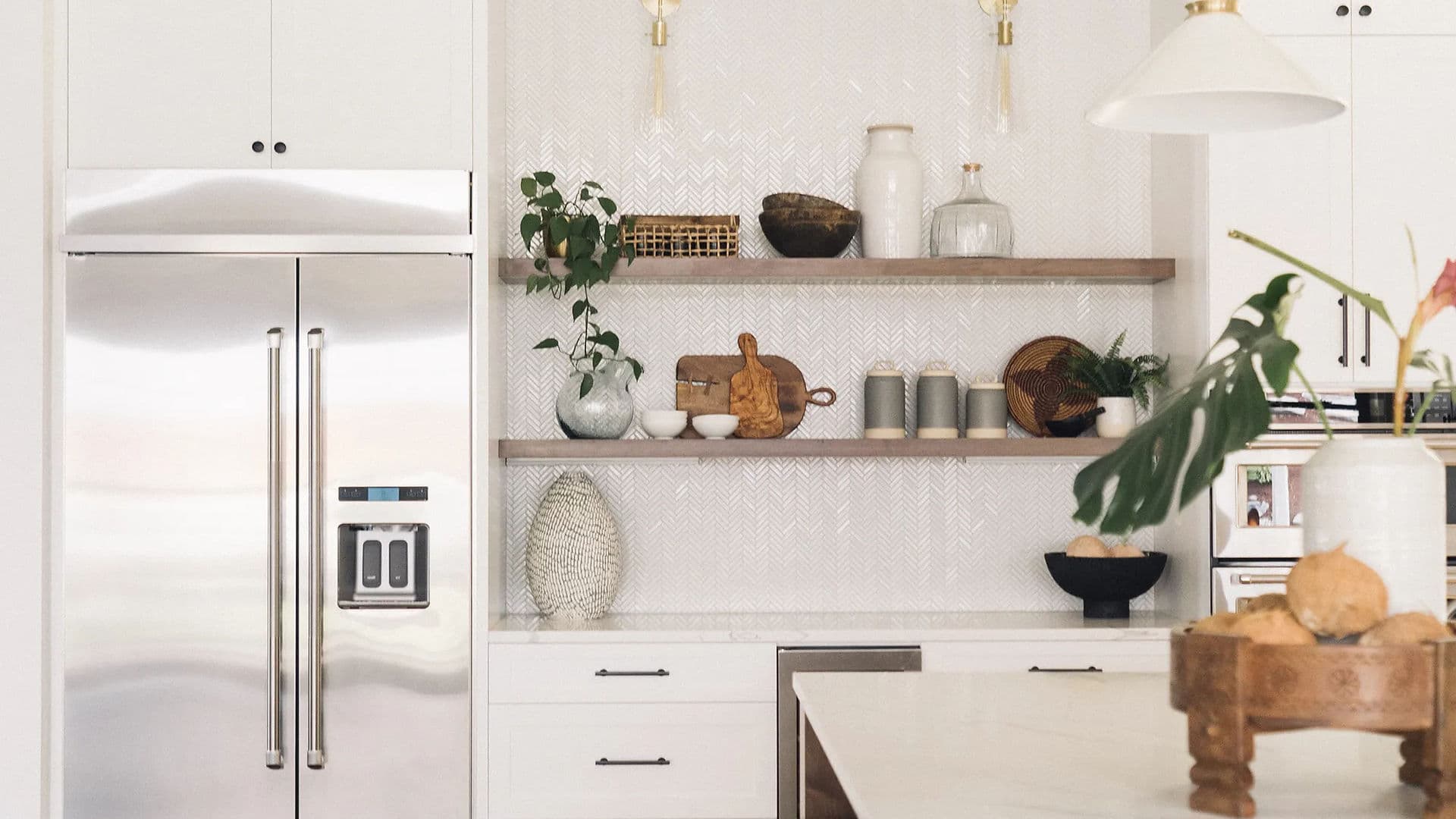
Kitchens move buyers, and the fastest win here is empty counters. Clear away the small appliances, the mail pile, and the drying rack so the surfaces — and the square footage — get to speak for themselves. A bowl of fresh fruit, a folded tea towel, and one small plant is all the styling a clean kitchen needs.
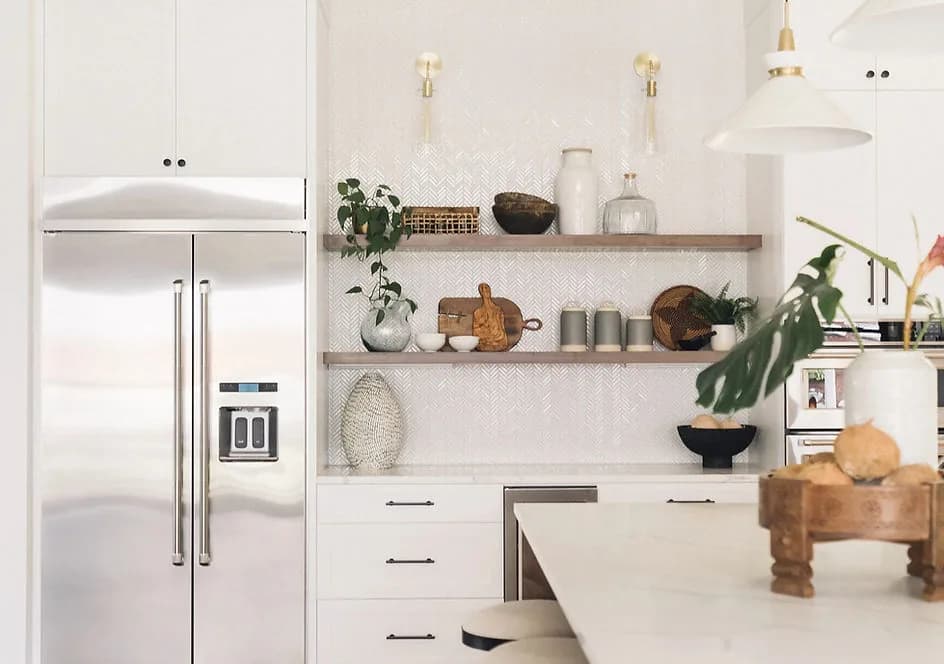
- Clear counters to near-empty; store everything you use daily out of sight.
- Deep-clean the sink, faucet, backsplash, and inside the oven and fridge — buyers open them.
- Refresh hardware and re-caulk if it's discolored; small details signal upkeep.
- Add one warm note: fruit, herbs, or a small vase of greenery.
Primary Bedroom: A Calm, Hotel-Like Retreat
The primary bedroom should feel like an exhale — calm, neutral, and uncluttered. Think boutique hotel: a well-made bed with layered, hotel-white linens, symmetrical nightstands, and just enough styling to feel finished. Pack away anything personal, and clear the surfaces of chargers, medications, and laundry.
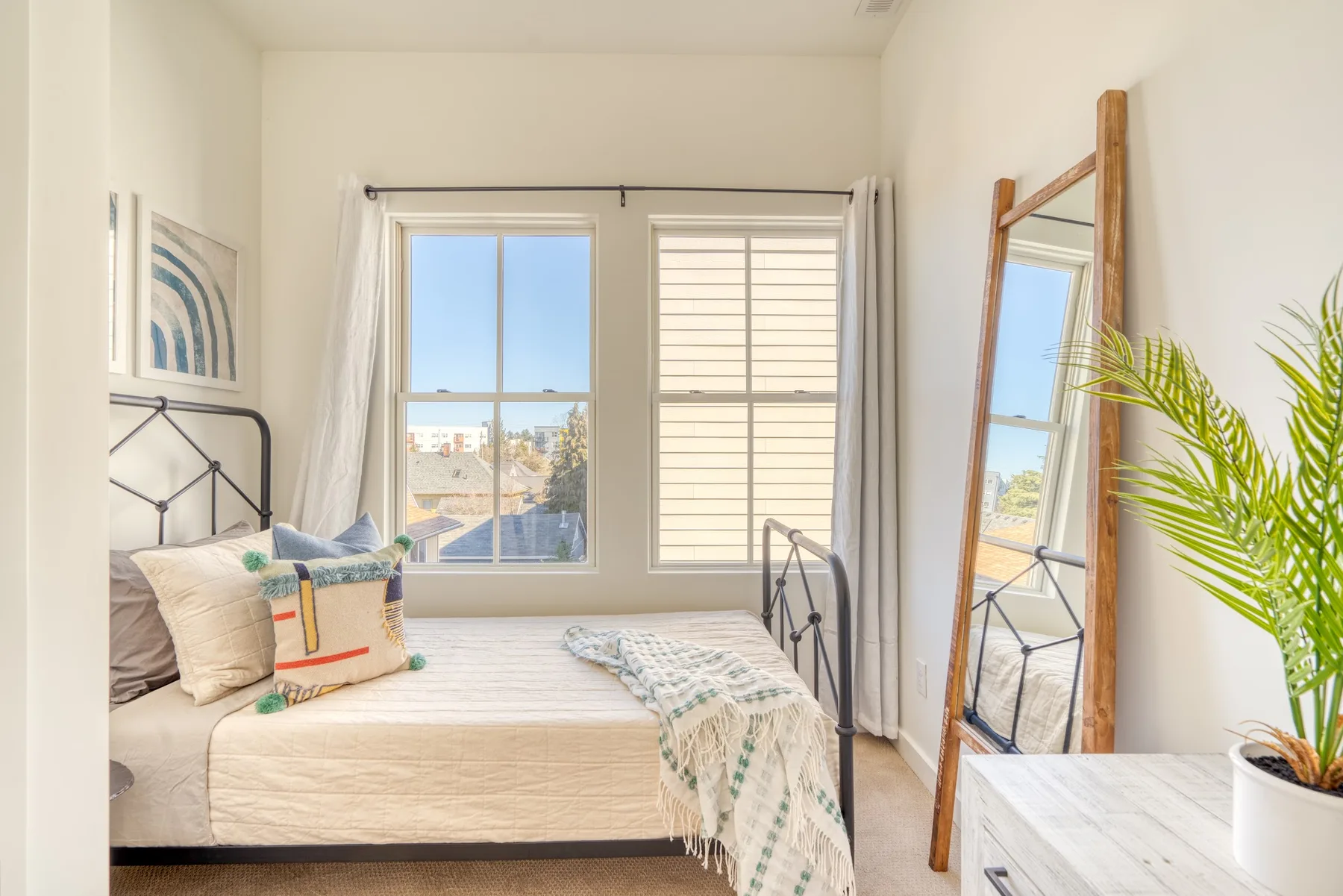
- Layer the bed: fitted sheet, flat sheet, duvet, and a few well-chosen pillows.
- Keep nightstands symmetrical and nearly bare — a lamp, a book, a small plant.
- Neutralize the palette so buyers can imagine their own style.
- Open the closet, edit it down, and let it look generous and organized.
Bathrooms: Spa-Clean Always Wins
Bathrooms are small, which makes them easy to perfect. The standard is spotless. Clear personal toiletries off every surface, hang fresh, matching towels, and add a small plant or a folded hand towel for the finishing touch. Re-caulk and re-grout where it's worn — nothing undermines a clean home faster than a dingy bathroom.
- Scrub tile, grout, glass, and fixtures until they shine.
- Swap in matching, fluffy towels in white or a soft neutral.
- Hide the toothbrushes, razors, and medicine; clear the shower of bottles.
- Add a candle, a small plant, or rolled towels for a spa-like finish.
Home Office and Bonus Rooms: Give Every Room a Job
A vague "flex" room makes buyers do the math on whether your space works for them. So do that math for them. Stage that spare bedroom as a tidy home office, a guest room, or a nursery — whatever the layout flatters most. With more Portland buyers working from home, a defined, light-filled office reads as a genuine selling feature rather than dead space.
- Pick one clear use per room and commit the furniture to it.
- Keep it minimal — a desk and chair beat a cluttered catch-all every time.
- Maximize daylight and tuck away cords and clutter.
Don't Forget Outdoor Spaces
Even a modest deck or patio is a chance to sell the indoor-outdoor living Oregon buyers love. Define an outdoor "room" with a small bistro set or a couple of chairs and a side table, so buyers picture their morning coffee out there. Sweep, clear the cobwebs, pot a few plants, and tidy the yard. When the sun's out in Portland, an inviting outdoor space can be the detail that seals the deal.
When DIY Is Enough — and When a Pro Pays Off
If your home is already well-maintained, lightly furnished, and in good repair, much of this is a motivated weekend's work. Declutter, deep clean, depersonalize, and style with what you have. For plenty of sellers, that's enough to list well.
The math changes when the stakes — or the obstacles — go up. Vacant homes are notoriously hard for buyers to read and almost always benefit from professional staging that gives empty rooms scale and purpose. The same goes for higher-end listings, awkward layouts, dated finishes you can't change before listing, or a home you've already moved out of. In those cases, professional home staging brings the right inventory, a designer's eye, and a process built to make a listing photograph and show beautifully. If you're weighing it, our guide to whether staging is worth it walks through the trade-offs honestly.
“Buyers decide how they feel about a home in seconds. Our whole job is to make those seconds work in your favor — to direct the eye, the light, and the emotion so the house sells itself.”
— Jody Wallace, Founder of Greylyn Wayne
Whether you stage it yourself or bring in a team, the principles hold: clear the clutter, let the light in, give every room a job, and finish with intention. If you'd like a designer's read on which rooms will move the needle most, we're happy to take a look — reach out for a free consultation and we'll point you in the right direction.
Frequently Asked Questions
In what order should I stage my house to sell?
Work room by room in the order a buyer experiences your home: curb appeal and entry first, then the high-impact rooms — living room, kitchen, and primary bedroom — then bathrooms, office, and outdoor spaces. Within each room, follow the same sequence: declutter, depersonalize, deep clean, define the room's purpose, optimize light and flow, then add finishing touches.
Which rooms matter most when staging to sell?
The living room, kitchen, and primary bedroom do the heaviest lifting — they're where buyers linger and where listing photos make their strongest impression. Bathrooms matter too because they're small and easy to make spotless. Don't neglect curb appeal and the entry, since they set the tone before a buyer is even inside.
Can I stage my house myself, or do I need a professional?
If your home is well-maintained, furnished, and in good repair, decluttering, deep cleaning, depersonalizing, and styling with what you have can get you a long way. Professional staging tends to pay off most for vacant homes, luxury or new-construction listings, awkward layouts, and homes you've already moved out of — situations where scale, inventory, and a designer's eye make a real difference.
How long does it take to stage a house?
A DIY refresh of a tidy, lived-in home is often a focused weekend or two of decluttering, cleaning, and styling. A professional staging install — especially for a vacant home — is typically scheduled and completed within a few days once details are confirmed. Timelines vary by home size and condition, so it's best to plan staging into your pre-listing schedule rather than the day before photos.
Thinking About Staging or a Redesign?
Greylyn Wayne has staged 2,500+ Portland-area homes and earned 4.9★ across 163 reviews. Tell us about your project — the consultation is free.