Trends
Interior Design Trends 2026: What Portland Homes Are Embracing
By Greylyn Wayne · June 12, 2026 · 8 min read
The interior design trends 2026 that actually feel right in Portland homes — and exactly how to bring each one into your own space without a remodel.
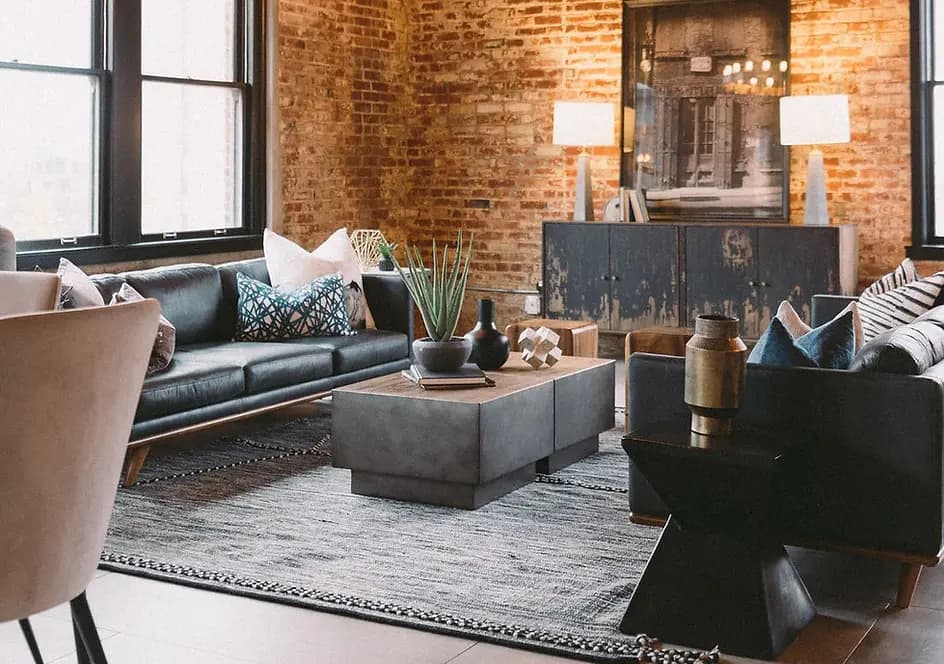
The interior design trends 2026 brings to the table are less about reinvention and more about settling in — softer edges, warmer light, materials you want to touch. After a few years of cool grays and high-gloss everything, the pendulum has swung toward rooms that feel grounded, lived-in and quietly confident. In Portland, where the gray winter light and the green out every window already shape how a home feels, these trends land especially well.
Below are the eight directions we're leaning into across staging and interior design projects this year — each with a plain-English explanation of what it is and a few concrete ways to bring it home without touching a single wall stud.
1. Warm, Earthy Palettes (and Sage Green Everywhere)
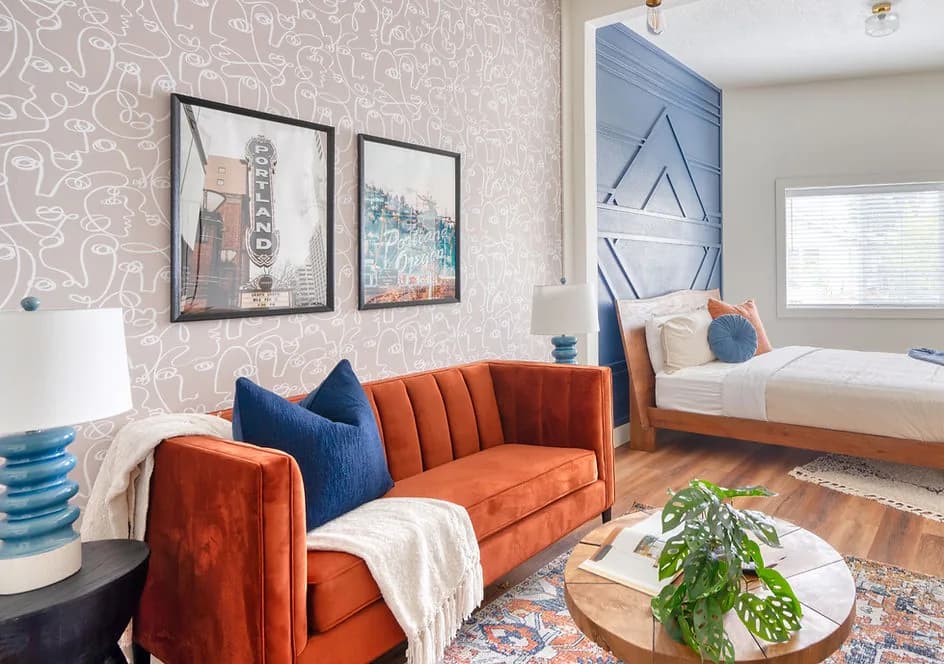
The defining color story of 2026 is warmth. Think clay, oatmeal, mushroom, toasted terracotta, ochre and a whole spectrum of soft greens — sage chief among them. These tones flatter Portland's flat northern light in a way crisp whites and cool grays never quite managed; they hold color instead of going blue and dreary at 4 p.m. in November.
You don't need to repaint the house to get there. Start with the things that are easy to swap.
- Replace stark-white throw pillows and a blanket with putty, olive and rust.
- Swap a chrome or black-nickel light fixture for warm brass or aged bronze.
- Bring in a clay or stoneware lamp base, a terracotta planter, an oatmeal-linen drapery panel.
- If you do paint one thing, make it the most-used room — a sage kitchen or a clay-toned bedroom.
Sage in particular has earned its own deep dive — where to use it, what to pair it with, and the few mistakes that turn it muddy. We walk through all of it in our guide to sage green interior design.
2. Organic Modern: Clean Lines, Soft Edges
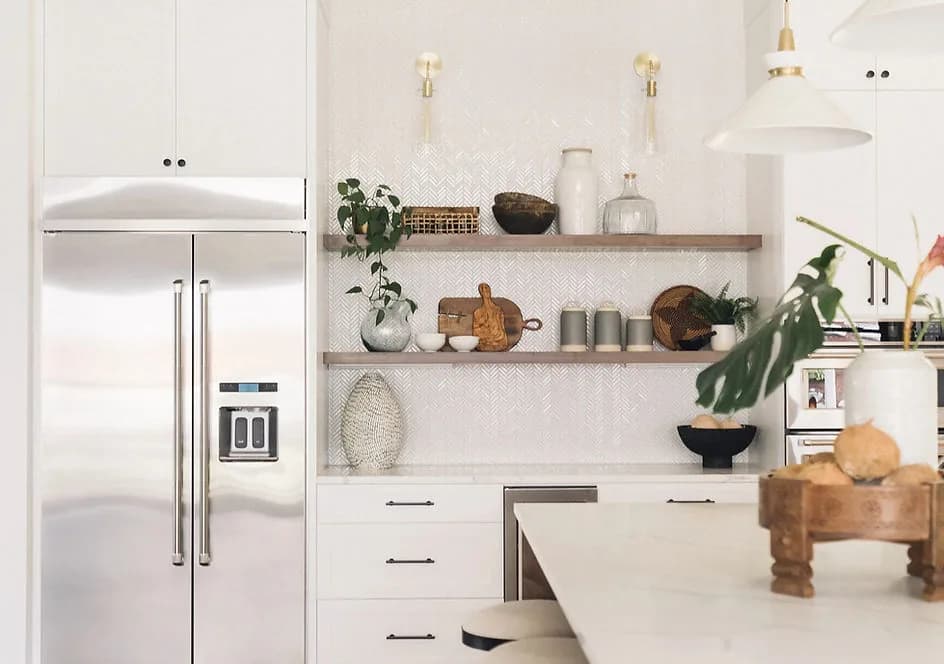
Organic modern is the through-line of nearly every trend on this list. It keeps the calm, uncluttered bones of modern design but rounds off the hard, cold parts — pairing a streamlined sofa with a chunky boucle texture, a sculptural plaster lamp, a live-edge or wabi-sabi wood table. The result feels architectural and human at the same time.
It's a forgiving look for Portland's mix of older Craftsman and midcentury housing stock, because it bridges the warmth of original woodwork with cleaner contemporary furniture. To layer it in: mix one curvy, organic piece into an otherwise linear room, choose natural fibers over synthetics, and let a few materials show their imperfections instead of hiding them.
3. Quiet Luxury and Tactile Materials
Quiet luxury is the antidote to anything that looks like it's trying too hard. No logos, no glitz — just excellent materials, restrained palettes and pieces that feel substantial in the hand. The luxury is in the touch: heavyweight linen, brushed wool, honed marble, unlacquered brass that ages, oak with real grain.
At home, this means editing before you buy. Pull the visual noise — the random accent colors, the trend-of-the-month accessories — and replace a couple of synthetic, shiny pieces with one genuinely tactile thing: a heavy ceramic bowl, a wool throw with weight to it, a stone tray.
4. Statement Lighting as Sculpture
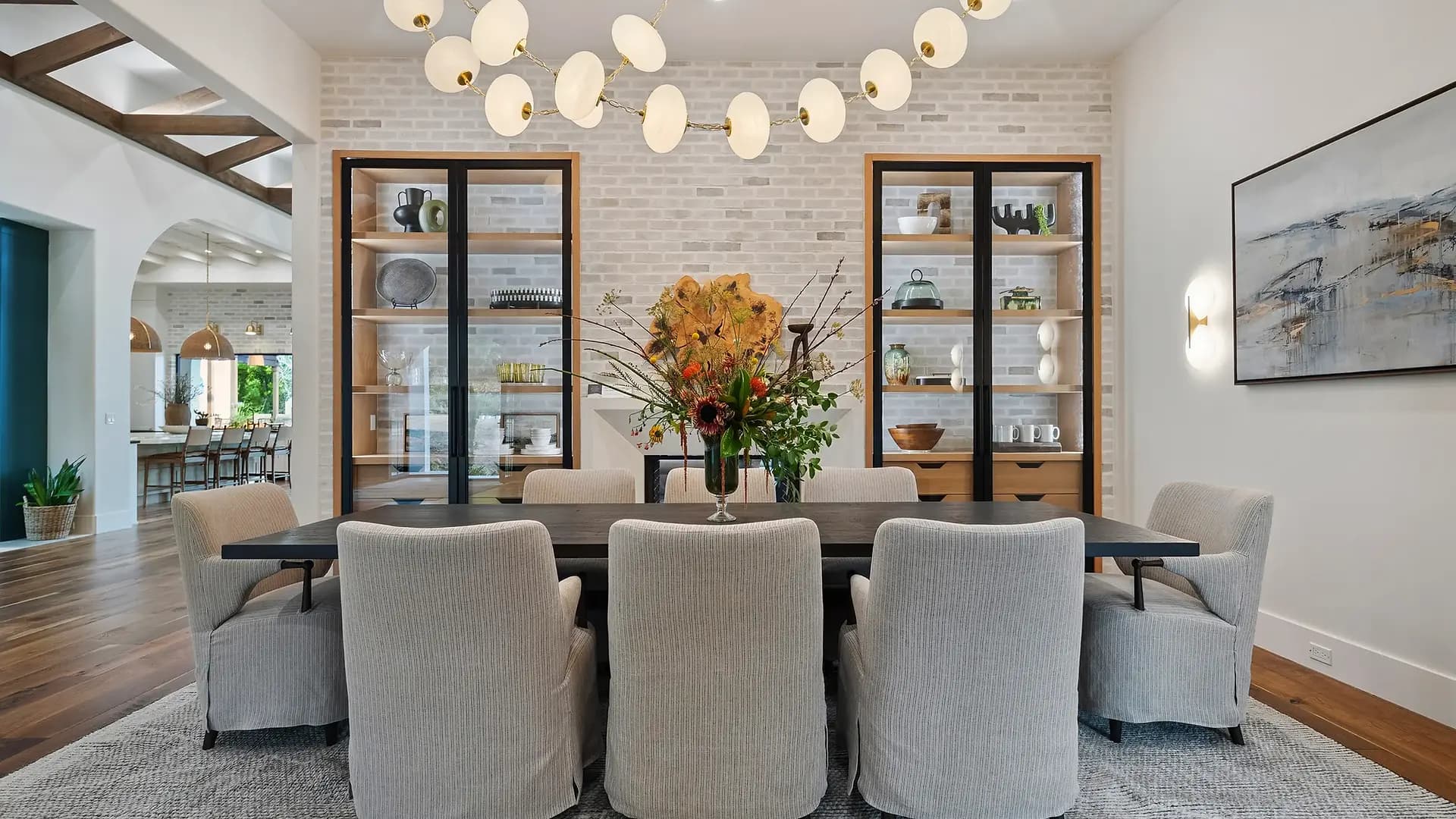
Lighting is having a moment as the room's jewelry. We're seeing oversized plaster and paper pendants, sculptural alabaster, fluted glass, and warm-metal fixtures treated as the focal point rather than an afterthought. A single bold fixture can carry an entire space.
This is one of the highest-impact, lowest-disruption upgrades you can make. To use it well:
- Pick one hero spot — over the dining table, the kitchen island, or a bedside pair.
- Go a size larger than feels safe; undersized fixtures are the most common mistake.
- Match the metal to your warm palette — brass or bronze over chrome.
- Put it on a dimmer and use 2700K bulbs so the glow stays warm after dark.
5. Curved and Sculptural Forms
Curves are softening rooms everywhere — arched mirrors and doorways, kidney-shaped and serpentine sofas, round dining tables, barrel chairs, scalloped edges. After years of sharp rectilinear everything, the eye is hungry for movement, and a single curved silhouette can make a boxy room feel intentional.
You don't have to commit to a curvy sofa to get the effect. An arched floor mirror, a round side table, a circular jute rug, or a curved-back accent chair introduces the language gently. The trick is balance: one or two curved gestures against your straight-lined pieces, not a whole room of them.
6. Biophilic Design and Natural Materials
Biophilic design — bringing the outdoors in — is practically native to the Pacific Northwest. Here it's less a trend than a baseline instinct, and in 2026 it's getting more deliberate: real wood instead of laminate, stone and clay surfaces, natural fiber rugs, abundant plants, and sightlines that pull your eye toward whatever green is out the window.
To lean in without renovating, choose materials that come from the earth — jute, wool, rattan, oak, travertine — over plastics and high-shine synthetics. Cluster a few well-chosen plants rather than scattering them. And arrange seating so it faces, or at least acknowledges, your best window.
7. Vintage and Antique Mixing
The most personal rooms of 2026 are not bought in one trip. Layering vintage and antique pieces into a contemporary base adds patina, story and a sense that the home has been collected over time. A worn leather club chair, a carved-wood mirror, an estate-sale brass lamp, a hand-knotted rug with a little age — each one breaks up the new-furniture sameness that makes a room feel like a showroom.
Portland is a treasure box for this, between its estate sales, vintage shops and architectural salvage. Aim for roughly one vintage moment per room: a single old piece reads as intentional, while a room of all-old can tip toward cluttered. Let the old and the new share at least one common thread — a wood tone, a metal finish — so they feel like a conversation, not a collision.
8. Moody, Color-Drenched Rooms
On the bolder end of the spectrum, color-drenching is the practice of saturating a room in a single deep hue — walls, trim, ceiling, sometimes even the built-ins — for an enveloping, cocoon-like effect. Deep olive, ink blue, chocolate, oxblood and forest green are the front-runners. It sounds dramatic, and it is, in the best way: a small, low-light room (the kind Portland bungalows have in abundance) can transform from awkward to intimate.
If a full drench feels like a leap, test the idea in a powder room, a study or a hallway first — small spaces where commitment is cheap and the payoff is high. Keep the palette earthy and warm, layer in brass and natural wood to lift the depth, and lean on warm lighting so the room glows rather than reads as dark.
Seeing It Done Well: Alla Famiglia 2025
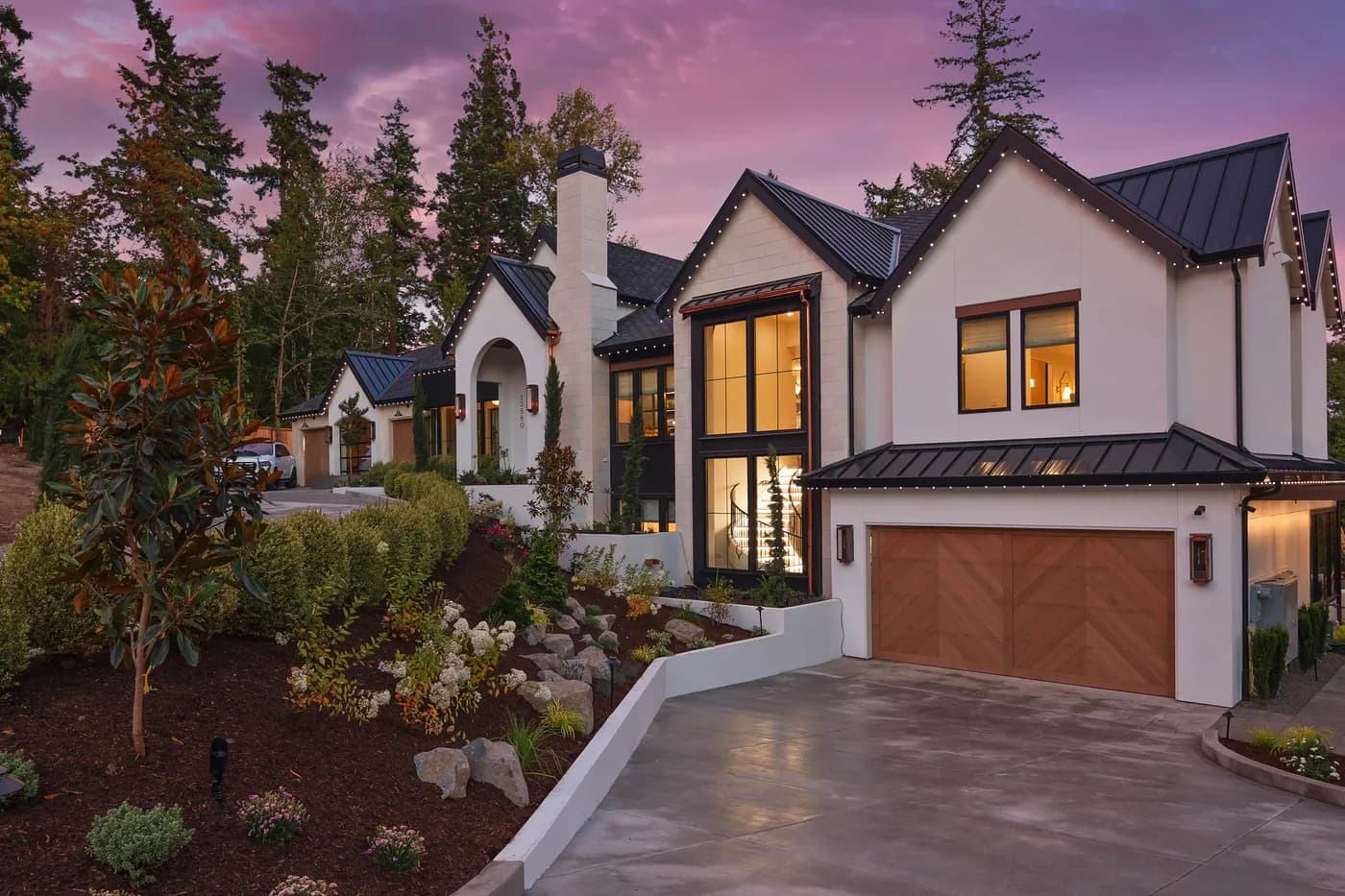
For a local benchmark of how these threads weave together, our Alla Famiglia home for the 2025 Street of Dreams in Lake Oswego is a study in restraint and warmth — earthy materials, sculptural lighting, organic-modern furnishings and natural light treated as a design element. It's the fourth Street of Dreams home we've designed, and it shows what "elevated but livable" looks like at full scale.
“The best rooms in 2026 don't shout. They feel calm, warm and collected — like they've always been there. Our job is to make that ease look effortless.”
— Jody Wallace, Founder of Greylyn Wayne
Bringing the 2026 Trends Into Your Home
You don't have to chase every trend on this list — and you shouldn't. The homes that feel timeless pick two or three of these directions and commit with intention. Start with the easy, reversible moves: warm the palette, edit the materials, upgrade one light fixture, fold in a single vintage piece. If you'd like a second set of eyes on which would suit your space, your light and the way you live, we're happy to talk it through over a free design consultation.
Frequently Asked Questions
What is the biggest interior design trend for 2026?
Warmth. The single largest shift in 2026 is the move away from cool grays toward warm, earthy palettes — clay, oatmeal, terracotta and especially sage green — paired with natural materials and softer, organic-modern forms. It's a reaction to years of cooler, glossier interiors.
Are gray interiors out of style in 2026?
Cool, blue-leaning grays are fading, but warm greiges and mushroom tones are very much in. The trend isn't anti-neutral — it's pro-warmth. If your grays read cold or blue in low light, swapping toward warmer neutrals is the most current update you can make.
How do I update my home for 2026 without remodeling?
Focus on the reversible layers: textiles, lighting, and accessories. Warm up your throw pillows and rug, swap a cool-metal fixture for brass or bronze, add one tactile natural material, and fold in a single vintage piece per room. These changes deliver most of the trend impact with none of the construction.
Is color-drenching a good idea for small Portland rooms?
Often, yes. Color-drenching a small, low-light room — a powder room, study or hallway, the kind older Portland bungalows have plenty of — in a deep earthy hue makes it feel intentional and intimate rather than awkward. Keep the lighting warm and layer in brass and wood to keep it from reading flat.
Do I need to follow trends to have a beautiful home?
No. The most enduring interiors borrow a few current ideas and ground them in materials, proportion and how you actually live. We help clients choose the two or three 2026 directions that fit their home and skip the rest, so the result still feels fresh in five years.
Thinking About Staging or a Redesign?
Greylyn Wayne has staged 2,500+ Portland-area homes and earned 4.9★ across 163 reviews. Tell us about your project — the consultation is free.