Home Staging
How to Stage a Home You're Still Living In
By Greylyn Wayne · March 31, 2026 · 8 min read
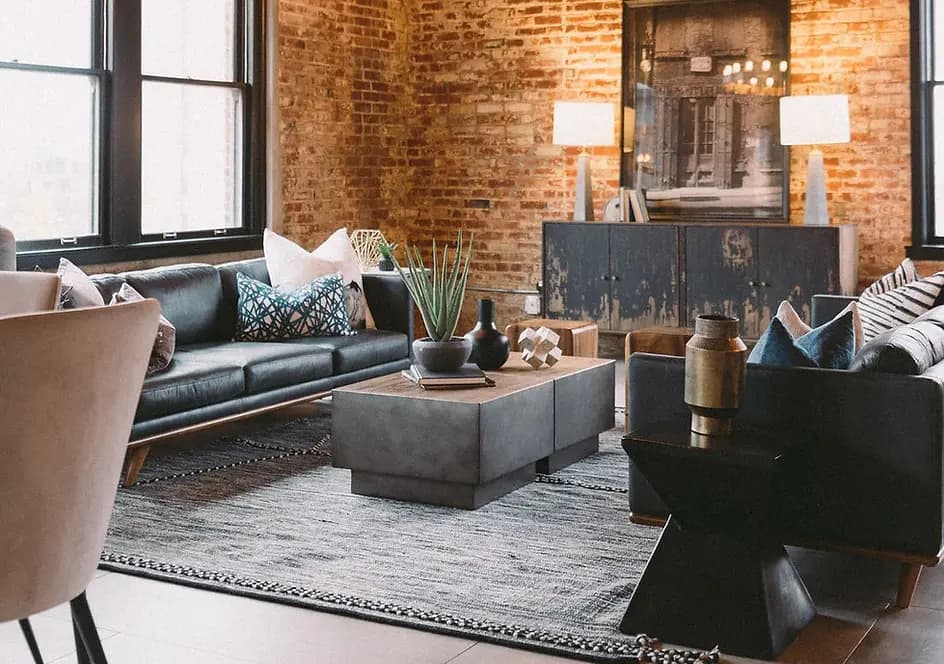
Occupied home staging is its own challenge — kids, pets, and daily life don't pause for showings. Here's how to stage the home you're living in and keep it show-ready.
Occupied home staging is its own particular challenge: you're selling the house and living in it at the same time. There are kids and backpacks, a dog and a litter box, dinner to cook and a real life happening between showings. The good news is that you don't have to move out to sell well. With a ruthless edit up front and a simple daily reset routine, you can keep an occupied home show-ready without turning your family's life upside down. This guide walks through exactly how.
We've staged thousands of occupied Portland-area homes since 2015, and the homes that show best aren't the ones with no kids or pets — they're the ones where the owners set up a few systems early. Here's the approach we use.
Start by Editing Ruthlessly
The single biggest move in occupied staging is removing stuff — and more of it than feels comfortable. Aim to pre-pack roughly 30–50% of what's out on surfaces, in closets, and on shelves. You're moving anyway, so think of it as a head start, not extra work.
- Box up off-season clothes, extra dishes, books, toys, and anything you won't need before you move. Label the boxes and store them off-site or stacked neatly in the garage.
- Empty closets to about two-thirds full so they read as generous storage. Overstuffed closets signal 'not enough space.'
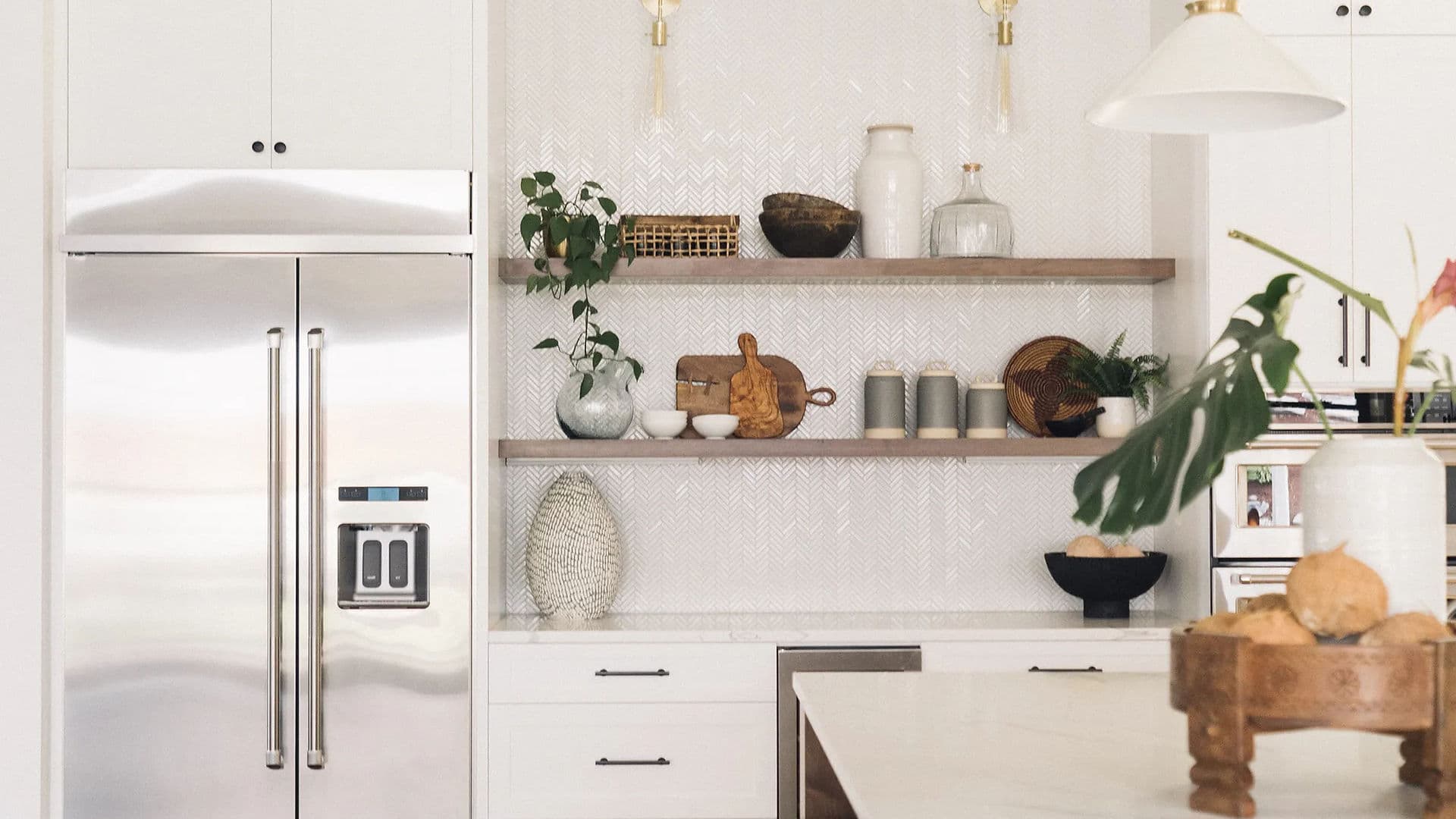
- Clear nearly everything off kitchen and bathroom counters — buyers equate clear surfaces with more room to work.
- Thin out furniture. The pieces that make daily life comfortable often crowd a room on camera; less furniture reads as more space.
- Edit, don't just hide. Cramming everything into a closet or the garage backfires the moment a buyer opens the door.
Neutralize and Depersonalize
Buyers need to imagine their life in your home, and that's hard to do when your life is on every wall. Depersonalizing isn't about erasing your taste — it's about creating enough blank space for a stranger to picture themselves living there.
- Pack away family photos, diplomas, kids' artwork, and collections. They invite buyers to study your life instead of imagining theirs.
- Tone down bold, personal paint colors with a warm neutral — it's the highest-impact, lowest-cost upgrade in an occupied home.
- Stow hobby gear, political or religious items, and anything polarizing.
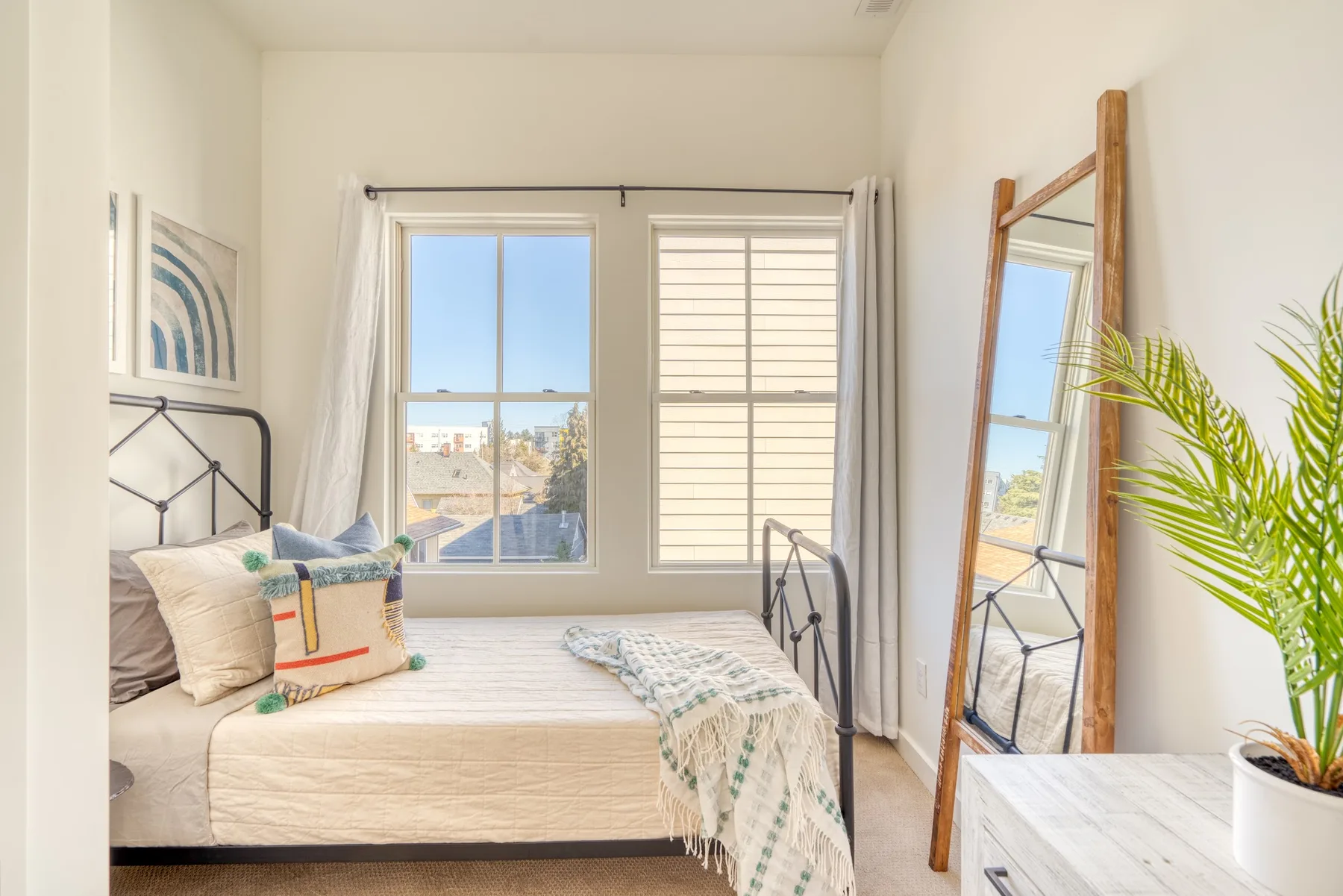
- Swap loud bedding and shower curtains for crisp, neutral versions you keep just for the listing period.
- Keep a little warmth — fresh greenery, a stack of beautiful books, soft textures — so the home feels lived-in and loved, not sterile.
Build a Daily Show-Ready Reset
Once the home is staged, the work shifts from a big project to a light daily rhythm. The trick is a repeatable 15–20 minute reset you can run before showings — and a 'go bag' approach for the things that pile up fastest.
- Make every bed crisply and open the blinds the moment you get up.
- Keep one lidded bin or basket per main room to sweep stray items into fast, then move it to the car or a closet before a showing.
- Wipe kitchen and bathroom counters; run a quick swipe over mirrors, glass, and the kitchen sink.
- Do a floor pass — vacuum or sweep high-traffic paths; corral shoes, backpacks, and mail.
- Turn on every light, including lamps, and open curtains right before buyers arrive — bright homes feel bigger and more welcoming.
- Take a last lap from each doorway: is the path clear, is anything personal showing, does the room's purpose read instantly?
Give kids a single bin per room as their 'reset job,' and keep a launch zone by the door for keys, chargers, and the items that always migrate to the kitchen counter. Systems beat willpower when you're doing this for weeks.
Work With What You Own — or Rent Strategically
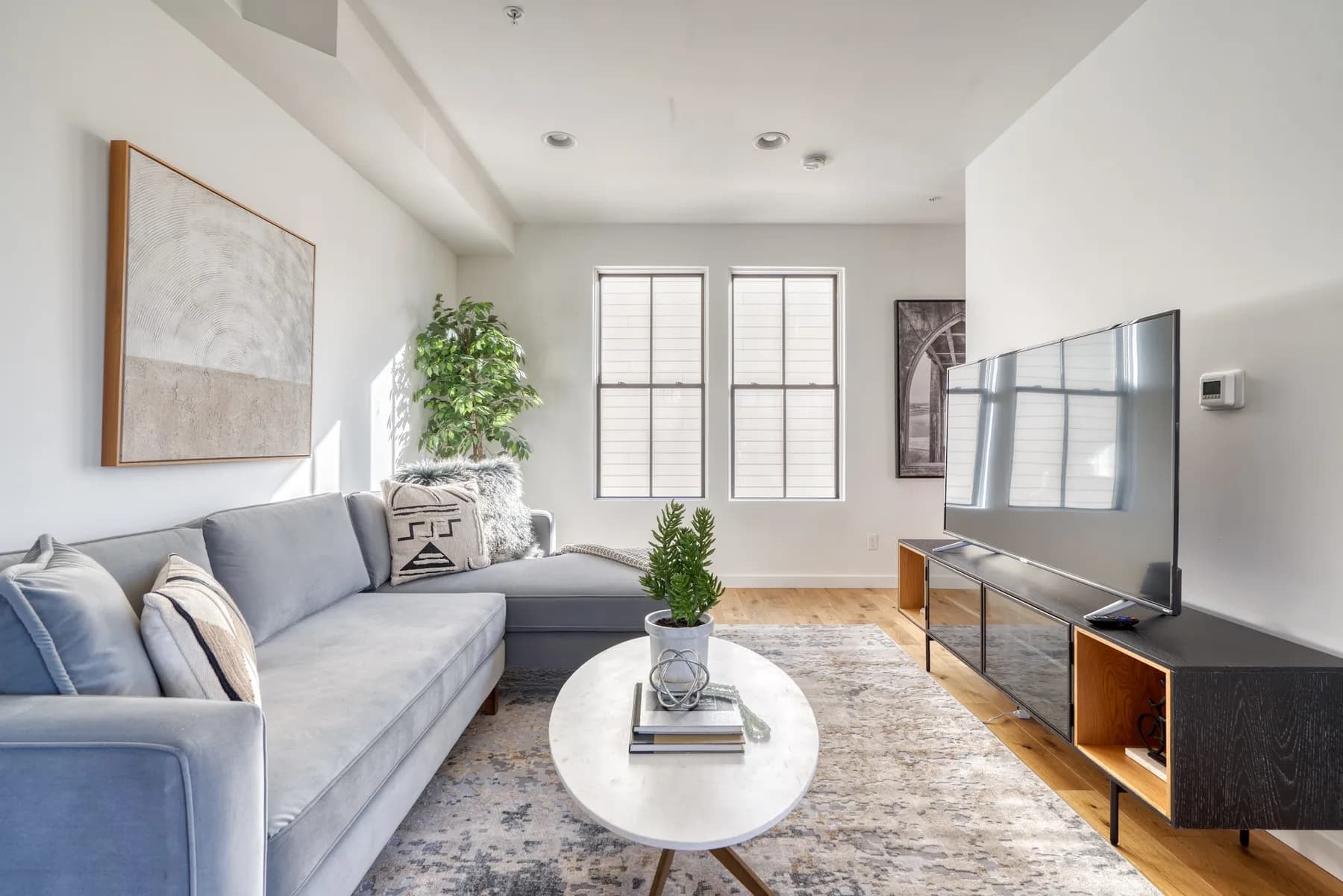
Plenty of occupied homes stage beautifully with the furniture already in them once it's edited, rearranged, and styled. The skill is in placement — floating the sofa into a conversational group, right-sizing the rug, choosing which pieces stay and which get pre-packed.
Sometimes a few rented pieces fill a real gap — a too-small sofa in a large room, a missing dining set, or art and accessories to finish the look. This is exactly where an occupied staging consultation earns its keep: a stager walks the home and directs the whole plan using what you own, calling out only the spots worth supplementing. You get a professional result without renting a houseful of furniture you don't need.
“The best occupied stagings rarely start with a moving truck of rental furniture. They start with editing what's already there, and adding just enough to let every room show its best.”
— Jody Wallace, Founder of Greylyn Wayne
Manage Pets and Cooking Odors
You stop smelling your own home within minutes — buyers don't. Pet and cooking odors are one of the most common, and most fixable, reasons an occupied home shows poorly.
- Eliminate odors at the source rather than masking them — strong plug-ins and candles often read as 'covering something up.'
- Deep clean carpets, soft furnishings, and pet bedding before listing; air the home out daily.
- Have a plan to remove pets, bowls, beds, litter boxes, and toys for every showing — ideally the pets leave too.
- Avoid cooking strong-smelling foods on showing days; open windows after you cook.
- Keep a neutral, fresh feel — clean air beats any fragrance for the broadest range of buyers.
Staging a home you're still living in is absolutely doable — it just rewards systems over heroics. Edit hard up front, depersonalize, run your daily reset, and stay ahead of pets and odors, and your occupied home can show every bit as well as a vacant one. If you'd like a stager to walk your home and build the plan around what you already own, get in touch for a free consultation and we'll map out your fastest wins.
Frequently Asked Questions
Can you stage a home while you're still living in it?
Yes — most homes are staged while occupied. The key is editing aggressively up front (pre-pack 30–50% of your belongings), depersonalizing, and running a short daily reset before showings. A stager can build the whole plan around the furniture you already own, supplementing only where it's truly needed.
How do I keep an occupied home show-ready every day?
Set up systems instead of relying on willpower. Use one bin or basket per room to sweep stray items into fast, keep a 15–20 minute reset routine (beds made, counters wiped, floors swept, lights on), and have a clear plan to remove pet bowls, beds, and litter boxes for each showing.
Do I have to rent furniture to stage an occupied home?
Often not. Many occupied homes show beautifully once the existing furniture is edited, rearranged, and styled. Rented pieces help when there's a real gap — a too-small sofa, a missing dining set, or finishing accessories. A staging consultation tells you which path fits your home and budget.
What should I do about pets and cooking smells when selling?
Eliminate odors at the source rather than masking them — deep clean carpets and pet bedding, air the home out daily, and avoid strong-smelling cooking on showing days. For each showing, remove pets along with their bowls, beds, litter boxes, and toys. Clean, neutral air appeals to the widest range of buyers.
Thinking About Staging or a Redesign?
Greylyn Wayne has staged 2,500+ Portland-area homes and earned 4.9★ across 163 reviews. Tell us about your project — the consultation is free.